
Introduction
Optimizing your website to hire local SEO services for better suit the tastes of web browsers goes a long way in boosting the returns on investment. This especially makes sense for small businesses, where every penny invested needs to bring back a greater value if growth is to happen. Google says that 53% of the shoppers are given to researching about a business on search engines before they commit to a purchase with it. Since most commerce today happens online, it makes sense for small businesses to utilize this channel to promote their products/services effectively with Affordable SEO Strategies.
Going in for affordable SEO strategies as a way of starting off into the world of online marketing is a great first step. It is ideal to show you the drill; professional touches to anything always make a big difference.
Let’s learn a few things about how the SEO of your website can be streamlined with strategies that are simple to understand and affordable too.
10 Affordable SEO Strategies for SMBs
In order to avoid the big-wallet expenses associated with a full-scale SEO mission at larger organizations, the following affordable (and every bit as effective) strategies can be implemented by small/medium businesses. SEO isn’t very complicated if the objective and concept is clearly understood. Let’s take a look at 10 immensely affordable ways your website can be SEO-optimized.
Always ask for Customer Reviews
Podium has established that 38% of the customers search for 4-star reviews (minimum) before deciding whether they wish to interact with the business. That is over one-third of the audience pool out there. Actively requesting your customers to leave reviews on Google Business Profile or your socials would help you tap into this audience; of course, it does involve offering 4-star customer service prior to seeking good reviews.
Always Reply to Messages
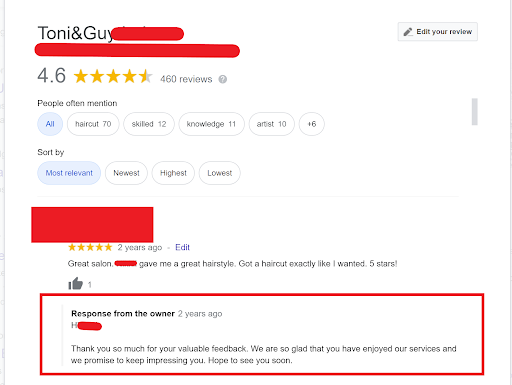
Replying to your consumers’ messages on public platforms increases your chances of getting positive reviews. At the very least, customers wish to be heard by the brands they engage with – a simple “thank you” can do wonders for winning loyal customers; Uberall found that a 30% reply rate helps get more customers on board. Even if a customer posts dissatisfied comments, make it a point to reply to them with amends.
Focus on High-Quality, Accurate Business Data
Business listings may seem like a lot of time-intensive manual labor initially, but they help improve the search result rankings more than they get the credit for. However, it only really works when the business data provided is high-quality and accurate. Listings are a way for potential clients and customers to find you online – the data provided must be consistent throughout all the listings, must be updated, must carry the most recent contact information, and must display all the niches your company operates in.
Build a Local Network
As a small business, it is important to be seen by as many people as possible – and one great way to do that is to have your brand participate in relevant community-level events. It does require setting out a good chunk of the budget, but the ROI it generates in terms of SEO and creating brand awareness is more than worth it. Ensure your brand is seen in local sports events, charities, probably giving to religious institutions, or helping a social cause actively. Make some headlines.
Add Photographs to Google Business Profile
Creating a Google Business Profile is the first step that marks the beginning of SEO. As you add business information to the profile, be sure to add a few photographs as well. These could be pictures of your office space, or employees standing underneath the business banner, or photographs of your project sites, etc. The idea is to help the visitors get a more in-depth idea about your business so the initial boundaries of hesitation can be removed.
Interact with Clientele Through Google Business Profile
You must be familiar with the “Cards” that show up in Google’s search results for a business. These cards display a section where customers leave reviews or ask a business some questions. This is where small businesses can build a good rapport with their consumers by starting a Q&A or any other form of engagement.

Select the Right Category for Google Business Profile
While building a Google Business profile, there are options to select a primary and a secondary business category for your business. The fact is that Google keeps adding new categories every once in a while and modifying the older ones. Check time and again to ensure that the right categories are selected for your business every time.
Remember the NAPs
One of the most basic mistakes small businesses make while handling SEO on their own is not keeping the names, addresses, and phone numbers consistent across all channels. Different NAP details on Google Business profile and other business listings work to confuse the search engines and adversely impact the SEO. Ensure that the NAP details of your business are consistent across all channels, including your website.
Adding FAQ Schema
One of the most recent and interesting SEO features introduced to ranking websites is FAQ schema markups. By including a FAQ section incorporating relevant keywords at the end of an article, you can aim to get your website higher up in the results by getting a space in the FAQ section of search results.
Local SEO
Local SEO is perhaps the most important strategy any small business can adopt for boosting website traffic. Optimizing your website and Google Business profile in a way that a relevant local audience can locate you is a great way of getting more people to visit your business.
Conclusion
Small businesses usually don’t spare any extra finances to shoulder a full-blown SEO for their online presence. However, incorporating these 10 affordable strategies in daily practice can help the business grow and build up to a point where it can be handled at scale and professionally.
