
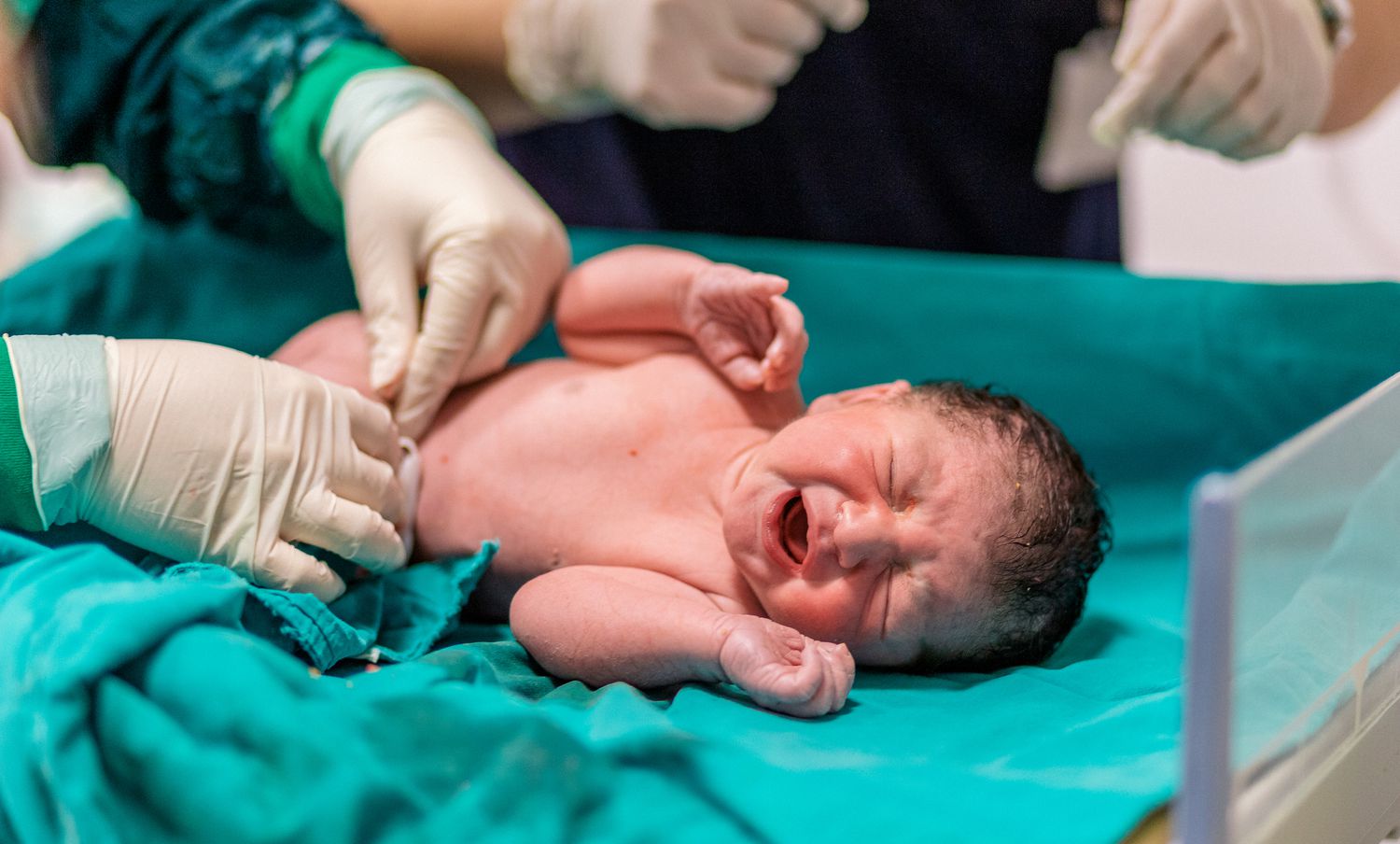
The delivery of a baby is one of the most beautiful and significant moments in a mother’s life, but it can also be emotionally distressing for parents when complications arise. Birth injuries are an unfortunate consequence of the birthing process, yet understanding their causes and symptoms and possible treatment options can help ensure appropriate care. Therefore, this blog post aims to review common types of birth injuries, discussing their root causes in detail while outlining available treatments. Readers will gain additional insight into birth injury-related matters by addressing these topics with complexity, accuracy, and overall sensitivity to those affected by such diagnoses.
Overview of Birth Injuries and How Common They Are
Birth injuries are sustained during or immediately following the birth process and can range in severity. As common as they may seem, they are pretty rare. The most common types of birth injuries include damage to the baby’s brain, skull fractures, Brachial plexus injuries, and Cerebral palsy. These types of injuries could potentially lead to long-term disabilities. Some common causes of birth injuries may be labor complications like slow or improper delivery, misusing forceps or vacuum extraction methods, and medical negligence. While symptoms can vary depending on the injury sustained, some common signs include seizures, difficulty feeding due to facial paralysis, or weakness in an arm or leg due to nerve damage. Depending on the diagnosis and extent of injury, treatments typically involve a combination of physical therapy interventions coupled with medications, such as muscle relaxers – depending on what is needed.
Types of Birth Injuries and Their Causes
Birth injuries can range from less severe inconveniences to permanent disabilities that require lifelong medical assistance. Some of the most common birth injuries and associated symptoms include brachial plexus injury, Erb’s palsy, collarbone (clavicle) fracture, Perinatal asphyxia, and brain injury. Brachial plexus injuries occur when the nerves connecting the neck and shoulder are damaged due to a complicated delivery or excessive force used by medical personnel. Another type of birth injury is birth trauma which occurs when a newborn sustains physical injuries during labor or delivery, usually due to difficulties such as abnormal fetal positioning or shoulder dystocia. Lastly, Erb’s palsy is a condition resulting from an infant’s neck being stretched too far during delivery, preventing the infant from moving one part or both parts of their arm. Understanding these types of birth injuries and medical ailments in babies and their associated causes can help parents make well-informed decisions on treatment options. While no single approach is applicable in all cases, early intervention and ongoing support typically yield improved outcomes.
Common Symptoms of Birth Injuries
Birth injuries can cause various symptoms and vary significantly in type and severity. Common symptoms seen with birth injuries include abnormal head or facial shape, weak muscle tone, deterioration of motor skills or balance, sensory impairments, paralysis or weakness on one side of the body, nerve damage, seizures, and developmental delays. Some issues may not be apparent until days, weeks, or even months after the birth of a child. It is crucial to monitor your child’s progress carefully after birth and keep an eye out for any changes that may indicate an underlying birth injury. If you suspect a birth injury in your child, seeking professional medical advice as soon as possible is essential to ensure prompt diagnosis and treatment.
Treatment Options for Different Types of Birth Injuries
Birth injuries can be divided into several categories, each with unique symptoms and underlying causes. Fortunately, medical professionals have different treatment options available to ease the effects of birth injuries and help improve a baby’s prognosis. Many treatments focus on relieving the physical pain or damage caused by the birth injury, such as medications or assisting with breathing difficulties. Other treatments target any disability that may have resulted from the injury—such as physical therapy for movement issues caused by Cerebral palsy—as well as assistive devices, orthopedic braces, and even reconstructive surgeries. Mental health counseling may also be offered to deal with any emotional trauma associated with the injury. With many potential treatment options, finding a qualified doctor who will work with you to craft a personalized plan designed specifically for your child is essential.
When to Seek Medical Care for a Birth Injury
Birth injuries can be challenging to diagnose, and parents should be aware of the signs that might indicate an injury or medical condition. In cases when a baby is unusually quiet or slow to respond, has a weak cry, has difficulty feeding, shows signs of paralysis in any part of the body, or demonstrates breathing difficulties—medical attention should be sought immediately. These symptoms may present in various combinations; however, they are all red flags that warrant a prompt assessment by a physician.
Additionally, any noticeable bruises or swelling on the infant’s body after birth could signify a possible injury and professional medical care should be sought as soon as possible.
“Parents, trust your instincts and seek medical attention immediately if you notice any potential birth injuries in your baby. As birth injury attorneys, we know the importance of early detection and treatment in these cases. Your child’s health and well-being should always be the top priority.” – lawyer from Gilman & Bedigian Law Firm
Prevention Tips for Avoiding Severe Birth Injuries
Prevention is the best course of action when avoiding severe birth injuries. Prenatal care and staying connected with an obstetrician are critical steps for preventing complications during delivery, as most birth-related injuries are associated with difficulties in the birthing process. Other preventative measures include maintaining a healthy diet and lifestyle, engaging in moderate physical activity during pregnancy, abstaining from drugs and alcohol, and keeping stress levels low, amongst other methods. Although one may not always be able to prevent injuries that could occur at birth, following these steps can go a long way toward ensuring a safe and healthy delivery for the mother and the baby.
Concluding Thoughts
In conclusion, birth injuries are common, so new parents need to be aware of the risks, symptoms, and associated treatments. The most common types are neurological damage caused by oxygen deprivation or trauma during delivery. Some causes include shoulder dystocia, umbilical cord complications, and placental abruption. Common symptoms include seizures, difficulty breathing, and paralysis. Treatment options can range from observation to reconstructive surgery, depending on the seriousness of the injury. A medical professional should even monitor less severe birth injuries, as there is a chance they could worsen over time. Lastly, numerous prevention strategies have been shown to reduce birth injury risk, such as maintaining a healthy weight during pregnancy and preventing infections. Thank you for taking the time to learn more about birth injuries!
