
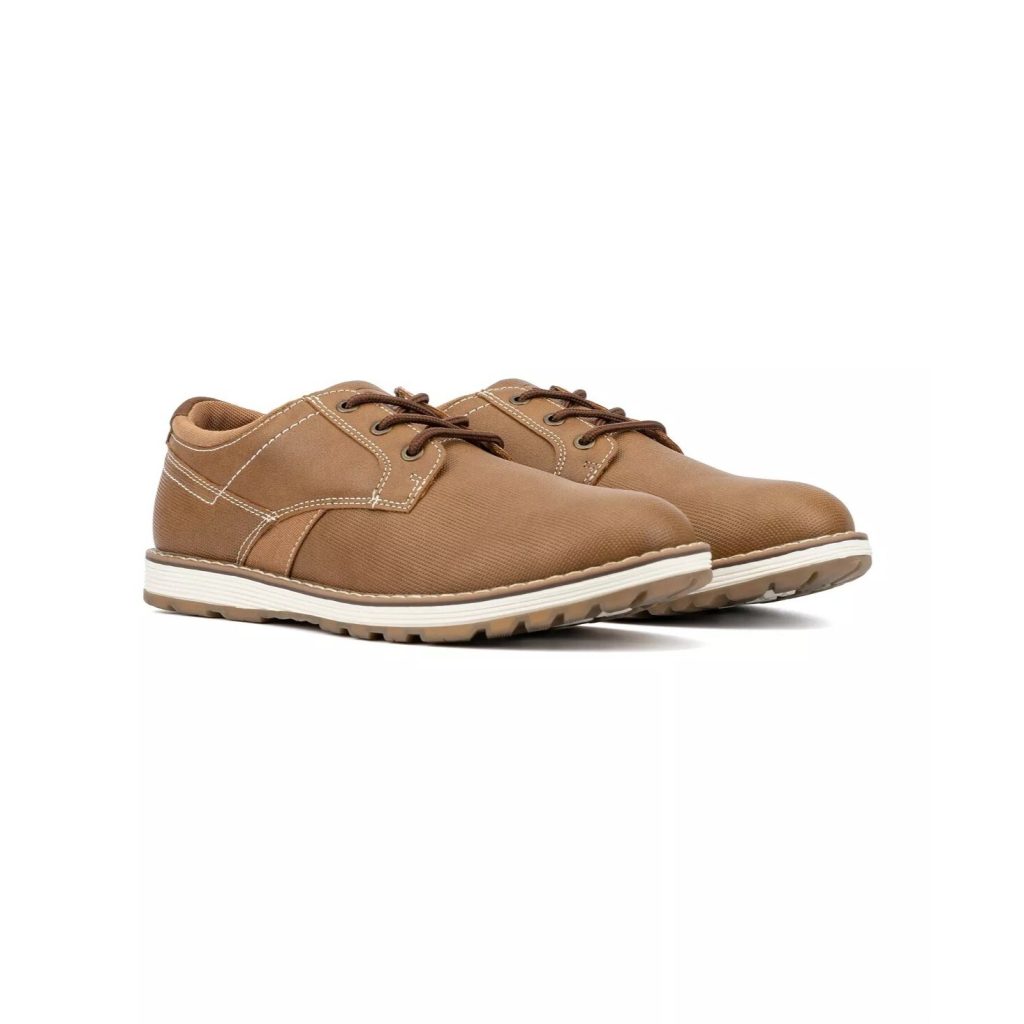
In making shoes thread seems like a thing.. In a real factory it plays a big role. A shoe is made from parts that need to stay together strong and neat. If the thread is not good the shoe can fall apart look rough or get damaged quickly. This is why thread technology is important in making shoes.
Footwear factories want to work waste less and make better shoes. Advanced thread technologies help in ways. Good thread does not just join materials it also helps machines run better reduces stoppages and improves the product. This means production efficiency.
When factories use low quality thread many problems happen. The thread may break often. Stitching may become uneven. Workers may need to stop machines. This wastes time. Increases labor effort. If many shoes have seams it requires rework. Rework means cost and slower production. So thread quality directly affects how fast a factory can work.
Advanced thread technologies are designed to solve these problems. These threads (nylon sewing thread) are stronger, smoother and more stable when stitching. They handle machine speed, friction and pressure better. This helps the thread move easily through the needle and material. As a result stitching becomes smoother and faster.
One big benefit of thread is less breakage. In factories machine stoppages are a serious issue. Even a small break can stop the line. Then the operator has to fix the thread and restart the machine. This may seem like a delay but if it happens many times a day production is affected a lot. Better sewing machine thread reduces this problem. It saves time. Keeps the line moving.
Another important point is stitch consistency. Shoes must look clean and professional. If stitches are loose in one area and tight in another the shoe does not look good. It also affects the shoes strength. Advanced threads are made with uniformity. This helps make stitches more even. So every shoe looks more similar and premium.
Modern thread technologies also help with high speed stitching. Many footwear factories now use machines to increase output.. Not every thread can perform well at high speed. Some threads heat up much. Some get damaged due to friction. Some create lint and dust. This causes machine issues and cleaning needs. Advanced threads are engineered to handle speed. They stay stable. Support smoother operations.
Lubrication is also a feature in many advanced threads. A lubricated thread moves more freely through machine parts. It creates friction. This helps reduce needle heat and machine wear. It also supports stitching. In footwear units this can make a real difference in daily output.
Durability is another reason why advanced thread technologies matter. Shoes go through bending, pulling, rubbing and pressure during use. If the seam is weak the shoe will not last long. Good thread gives seam strength. It helps shoes perform better in wear. For brands this means complaints and better customer trust.
Different types of shoes also need thread performance. Sports shoes, shoes, boots, safety shoes and sandals all have different needs. Some need an appearance. Some need a hold. Some need resistance to moisture, heat or abrasion. Advanced thread solutions are now available for such uses. This gives manufacturers control in selecting the right thread for the right product.
Advanced threads can also support material compatibility. Shoes are made using leather, synthetic materials, mesh, canvas, PU parts and more. Every material behaves differently during stitching. A thread that works well on one material may not work the same on another. Modern thread development helps match thread properties with fabric and shoe part needs. This improves efficiency. Reduces production mistakes.
Another good thing is waste reduction. In factories waste comes from thread breakage poor seams, rejected pieces and rework. When thread quality improves these problems reduce. This means material loss and better use of machine time. In words better thread helps factories do more work with less waste.
Thread choice can also affect maintenance. Poor thread may leave lint, dust or deposits in the machine area. This can increase cleaning time and maintenance frequency. Better engineered thread can keep machines cleaner. This supports working for longer hours. In production units even small maintenance savings can become very valuable.
Today many footwear manufacturers are trying to improve productivity without reducing quality. This balance is not easy.. Thread technology is one area where both goals can be supported together. With the thread factories can stitch faster face fewer issues and produce better shoes. That is why thread should never be treated like an accessory only.
In the time thread technologies will become even more important. As shoe designs become more advanced and production targets grow higher every small production input will matter more. Thread will continue to be one of the parts behind strong seams, smooth operations and better efficiency.
So making shoe production more efficient is not about machines or labor. It is also, about choosing the support materials. Advanced thread technologies help reduce delays improve quality, support durability and make production more efficient. For any shoe manufacturer who wants output and better performance the right thread can make a very big difference.
