
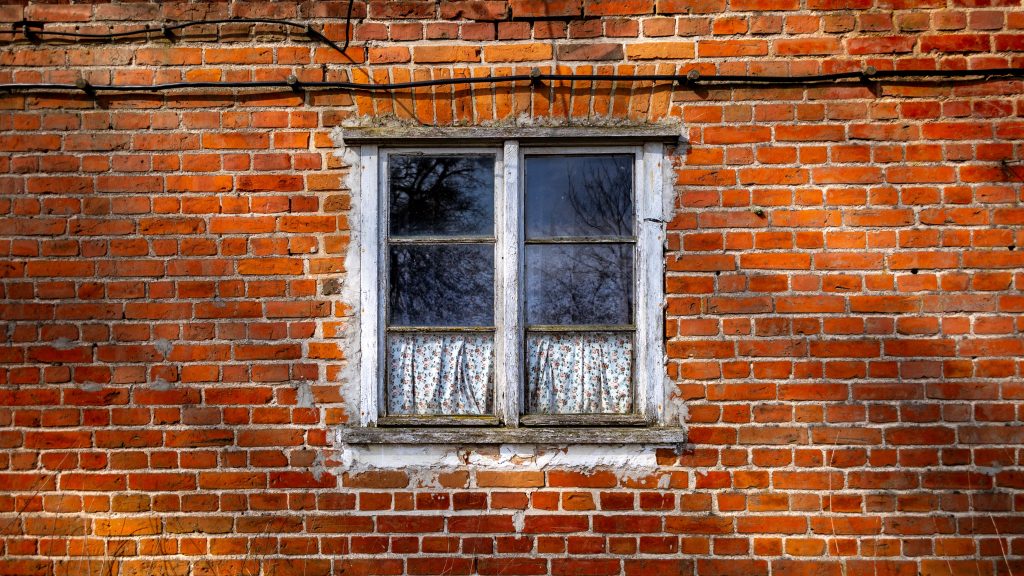
A practical look at how much of a home’s comfort and energy cost actually traces back to its windows, and what to weigh before deciding on a replacement.
Most home improvement lists put windows near the bottom, after kitchens, bathrooms, and flooring, because the payoff feels less visible day to day. But windows quietly influence almost everything about how comfortable and efficient a home feels, and a window replacement often ends up delivering more noticeable, everyday value than a lot of higher-profile renovations.
Why Windows Get Overlooked
A cracked tile or an outdated kitchen counter is obvious every time someone walks past it. A window that’s slowly losing its seal, by contrast, doesn’t announce itself the same way. The problems it causes, a slightly cold room, a higher utility bill, a bit more outside noise, tend to get blamed on other things: the furnace, the season, the neighborhood. That makes windows one of the easiest home issues to underestimate for years at a time.
What Old Windows Actually Cost
The costs tend to show up in a few consistent places:
- Higher heating and cooling bills from constant, low-level air leakage
- HVAC systems working harder and wearing out faster to compensate
- Uneven room temperatures that make some spaces uncomfortable year-round
- Fading furniture and flooring from unfiltered UV exposure through old glass
- Lower resale value, since buyers increasingly ask about window age and efficiency
None of these show up as a single large expense. They accumulate slowly, which is exactly why they’re easy to ignore until they’re pointed out directly.
Comfort Is Harder to Quantify, But Easy to Feel
Energy bills are measurable, so they get most of the attention in any conversation about windows. Comfort is just as real but harder to put a number on. A room with old, drafty windows often needs a few extra degrees on the thermostat to feel comfortable, and even then, sitting near the window can feel noticeably colder than sitting in the middle of the room. That kind of uneven comfort is one of the most common complaints homeowners raise once they’ve experienced a properly sealed, modern window and have something to compare it to.
A Simple Before-and-After Comparison
| Factor | Aging Windows | Updated Windows |
|---|---|---|
| Draft near the frame | Noticeable | Minimal to none |
| Energy bill trend | Gradually increasing | More stable |
| Room-to-room temperature | Uneven | More consistent |
| UV exposure indoors | Higher, unfiltered | Reduced with modern glazing |
| Outside noise | More noticeable | Reduced |
When It Actually Makes Sense to Act
Not every window needs to be replaced immediately, and a single stuck sash or one minor draft usually isn’t a strong enough reason on its own. The picture changes when multiple issues show up together: rising bills without an obvious cause, visible condensation between panes, and rooms that never quite feel like the rest of the house. At that point, the ongoing cost of doing nothing, in comfort and in energy, tends to outweigh the upfront cost of addressing it.
Weighing the Investment
Homeowners often hesitate on window projects because the upfront number looks larger than a lot of smaller repairs combined. It helps to think about it less as a single expense and more as trading a recurring, invisible cost (the extra energy spent heating and cooling a leaky home, every month, indefinitely) for a fixed, one-time one. Framed that way, the math tends to favor addressing the problem sooner rather than continuing to absorb the slow, ongoing cost of ignoring it.
A Few Questions Worth Asking Before Deciding
Homeowners weighing whether to act now or wait usually get more clarity from a short checklist than from a single yes-or-no decision:
- Has the last heating or cooling bill gone up without a clear reason?
- Is there visible fogging or moisture between the panes on any window?
- Does one room consistently feel colder or hotter than the rest of the house?
- Has it been longer than fifteen years since the windows were last replaced?
Answering yes to two or more of these is usually a stronger signal than any single symptom on its own, and it’s a reasonable way to separate a genuine priority from a project that can still wait another season.
The Takeaway
Windows rarely fail dramatically. They fail gradually, in ways that are easy to attribute to other causes until someone actually stops to check the frame, the seal, and the glass itself. Homeowners who do that check periodically, rather than waiting for an obvious problem, tend to catch the issue while it’s still a minor upgrade rather than a bigger, more disruptive one.
