
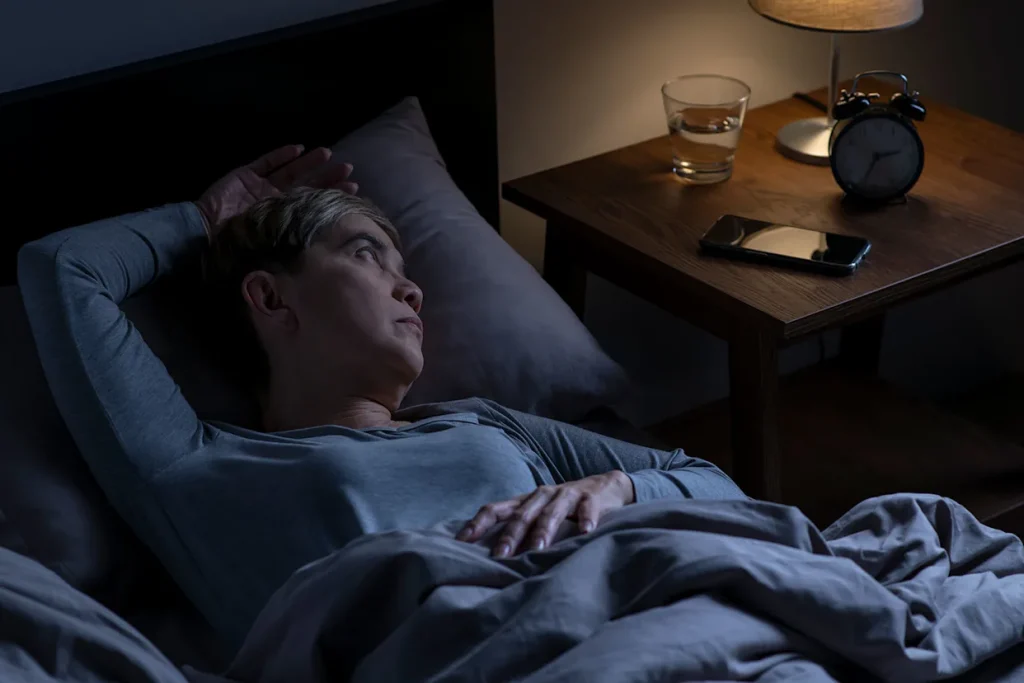
Most women who give birth find the following situation perplexing: Feeling wide awake as soon as their baby falls asleep. They face trouble sleeping, even when their baby is sleeping peacefully.
If this sounds like your situation, remember that you are not alone. This condition is called postpartum insomnia (the loss of sleep after childbirth). It troubles many women in the weeks and months following childbirth. Research shows that more than 6 out of 10 women who have recently given birth suffer from this problem, which requires therapeutic attention. The good part is that postpartum insomnia is a treatable and curable mental health condition. Read on to learn more about it.
Reasons for postpartum insomnia
Postpartum insomnia has many factors, such as:
Physical and hormonal changes:
The postpartum period is when many changes occur in the body. Hormonal changes that were dormant in pregnancy suddenly kick in and disrupt sleeping. Postpartum thyroiditis is a condition that affects approximately 10 percent of new parents. Lack of awareness about this specific condition may be one reason it remains undiagnosed, as its symptoms often resemble those of regular postpartum periods.
Physical recovery:
It is important to care for oneself after giving birth so the body can heal. Because of the physical pain and discomfort as well as bodily changes during pregency, child bith and post pregenecy period, it is hard to find a sleeping spot to lie down comfortably. Also, night sweats and other health problems are other reasons that prevent them from sleeping well.
Psychological factors:
Many parents experience an increase in stress due to:
- Always staying awake and taking care of a newborn
- Taking on new responsibilities (e.g., feeding, diaper change, etc.)
- Keeping up the house with the little energy left
- Being fearful of the baby’s health
Constantly thinking about these things, especially at night, often leads to insomnia or anxiety.
When insomnia gets out of control after delivery
When new moms are sleep-deprived, they may end up with physical and mental health issues. They also may catch colds easily, have problems with clear thinking, become depressed, or even have suicidal tendencies. When you notice any of these warning signs, you should get help from a professional.
Warning signs that you need immediate help:
- Unable to sleep until dawn or later for multiple days
- Having nighttime panic attacks or feeling down when sleeping
- Too exhausted to take care of the baby appropriately
- Feeling deeply sad or hopeless
Treatment of Postpartum Insomnia
Many new moms think they have to endure these sleep troubles on their own; they assume sleeplessness is just one of the problems new parents face. But sleeplessness that goes untreated can actually impact a parent’s health and their ability to care for an infant.
A psychiatric consultation and the support of a health professional, especially an insomnia psychiatrist, are useful to pinpoint and treat your problems. Specialists understand the effects of sleep difficulties on new mothers and fathers, and can prescribe effective ways to improve the situations you are dealing with.
Why should you seek professional help?
- Not every problem with sleep will go away on its own.
- Professional assistance may help prevent long-term sleep problems.
- Improved sleep will be helpful for mood and parenting ability.
- Treatment can interrupt a vicious cycle between poor sleep and mental problems.
Modern-day technologies enable parents to consult mental health experts online. Through teletherapy and online psychiatric appointments, parents can consult an expert from the comfort of their own home, even when dealing with postpartum stress.
Some of the benefits of seeking an online professional are:
- No need to leave the house for the appointment with your child; therefore, you do not need to worry about child care.
- You can customize your schedule, since scheduling can be negotiated.
- You can choose a therapist based on your personal needs, not geography.
- Online therapy allows for the discussion of private concerns in the safety of one’s home.
- Minimizes the need to take your newborn on the road, reducing the stress it can cause.
Treatment Methods for Postpartum Insomnia
Cognitive Behavioral Therapy for Insomnia (CBT-I):
CBT-I allows patients to modify the thoughts and actions that are causing sleep trouble. A psychiatrist helps the patient identify the factors that might keep them up and teaches them techniques for better sleep.
Light therapy:
Bright light exposure at strategic times during the day can be a powerful tool to regulate a person’s circadian rhythm. Sometimes, caring for an infant can be so demanding it throws a person’s sleep-wake cycle entirely off-kilter, and in those instances, bright light therapy can be a major asset.
Medication:
For cases that are more severe, a psychiatrist may prescribe medicine, such as antidepressant medications and short-term sleeping pills, after a thorough evaluation of the condition. However, these should be used with great care, particularly for nursing moms.
Be warned: Do not attempt to self-medicate without supervision from a physician.
Lifestyle Changes
There are a few minor modifications you can make to your everyday schedule that can improve the effectiveness of your current treatment and enhance long-term sleep quality.
- Eat a nutritious food. Don’t eat too much close to bedtime.
- Keep all electronics out of your bedroom.
- Doing some light exercise (e.g., walking, light stretching, yoga, or gentle breathing exercises) can help reduce stress levels.
- Limiting phone use before bedtime.
- Make sure your environment is calm (e.g., proper lighting, reduced noise).
Always seek professional advice on which exercises and foods are safe during postpartum recovery.
Do’s:
- Try to sleep when your baby sleeps, even if it’s during an afternoon nap.
- Have family members or friends occasionally keep your baby overnight if possible.
- Take an evening walk as the sun sets to help your body’s circadian rhythm establish a routine.
Don’ts:
- Enjoying a cup of coffee late in the day;
- Drinking carbonated drinks or alcohol in the evening since it affects your sleep negatively.
- Doing everything on your own without asking for help.
- Ignore ongoing issues with sleep.
- Suffer alone from feelings of resentment, intrusive thoughts, maternal anger, or other overwhelming emotions.
- Guilty feelings of not enjoying the motherhood journey
You are not alone
Giving birth is a phase that passes, but it doesn’t mean that sleep quality for both mom and baby can’t be a priority at that time. Many new mothers, and even fathers, struggle with anxiety and depression related to insomnia or postpartum insomnia after delivery. With intervention, they can restore their joyful lives.
Online psychiatric care platforms like GABA Telepsychiatry are committed to helping every mother and those with any mental health issues get the right psychiatric treatment, from postpartum insomnia, anxiety treatment, to helping them through the mentally struggle issues healing process.
Thus, if your or your loved one’s sleep problems are lasting a few weeks or are impacting your ability to perform daily tasks, it’s best to find a mental health professional who can assist you in the proper recovery of healthy sleep. Each parent deserves a chance to sleep, and if they need it, there’s help. Keep in mind that caring for your own sleep is not selfish; it’s crucial for good parenting.
