
Mirrors, puddles and windows are all places where reflections can be found. Yet, despite being commonplace, they’re still fascinating to photograph. Some ofWatery landscapes are the best examples of reflection photography, like city lights or mountains reflected in a water body.
How to Photograph a Reflection
Though reflections are easy to find, they’re not always easy to photograph. These reflection photography tips, ideas, and inspiration photos will help you.
1. Avoid Direct Light in Reflection Photography
A good picture is essential ofFirst, find the angle that will highlight the reflection. The angle should have good lighting, but not direct sunlight. That’s because direct light will minimize everything else in the reflection. You’ll get a reflection of the light, and that’s it. This approach can work well with city lights, but if you’re trying to get a nice shot ofMountains reflected in water will ruin the shot.
2. Remember the Time ofDay (or weather)
This is why some ofThe best photos ofReflections are best captured when the sun is only half-hidden from the horizon. Then, you’ll get fantastic colors in the sky as well as great lighting for a reflection. You can also try shooting reflections on cloudy days when there’s enough light but no direct sunlight.
3. Reduce your Aperture to stabilize your Gear
Besides getting the right angle, you’ll also need to adjust your aperture to keep the entire reflection in focus. If you’re shooting a landscape, your aperture will probably be at least f/9, if not f/16. If the reflection still isn’t clear enough, try using a tripod and a longer shutter speed. This strategy can work especially well with a reflection in the water, since it’ll make the water appear smoother.
Reflection PhotographyIdeas and Inspiration
Once you have mastered the art of shooting reflections, it is possible to push your creativity and try new compositions. You can also check out our roundup. ofIdeas and stunning examples of images that can be used as inspiration. Click on any image to enlarge ofUse the links below for a quick jump to a specific idea
- Symmetry
- Silhouettes
- Puddles
- Skyscrapers
- Leading Lines
- Black and white Reflection Photography
- Water | Sky Illusion
Symmetry
Symmetry can be one ofThe most effective and common compositional technique for reflections is: For symmetry, arrange the shot so that the reflection occupies half of the frame. Mirror the scene. This technique works beautifully with landscapes, but you can use it wherever there’s a large reflective surface that can fill the frame.
Nimit Nigam – Yamuna 
Un dimanche matin avec Zed the Dragon 
svklimkin – Reflection 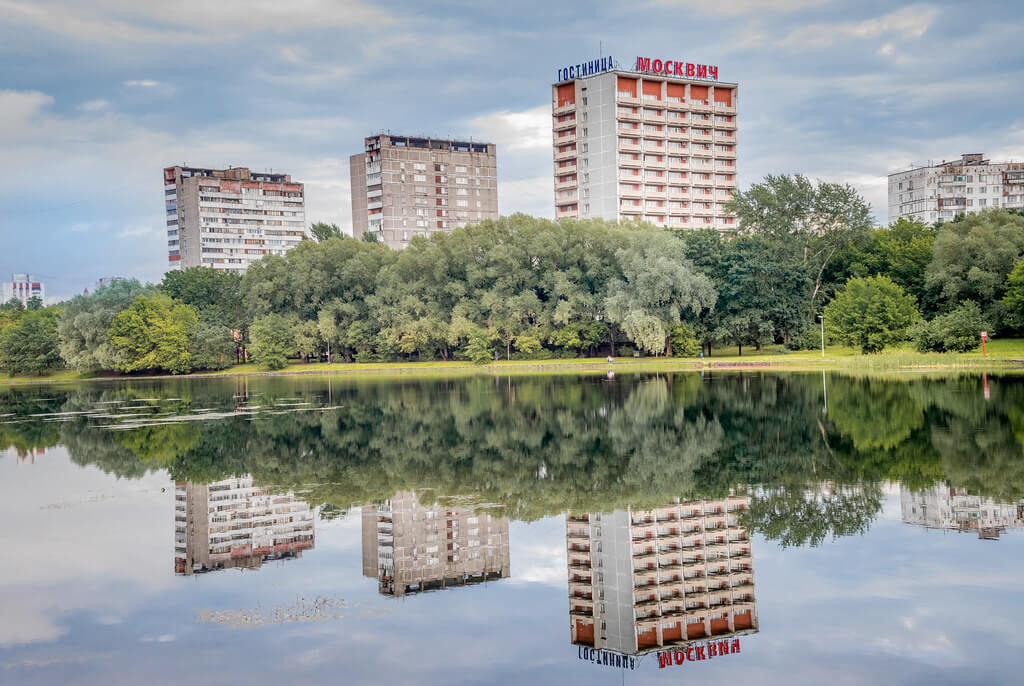
Pedro Szekely – Louvre Museum, Paris 
Sourabh Gandhi – Abstract reflection 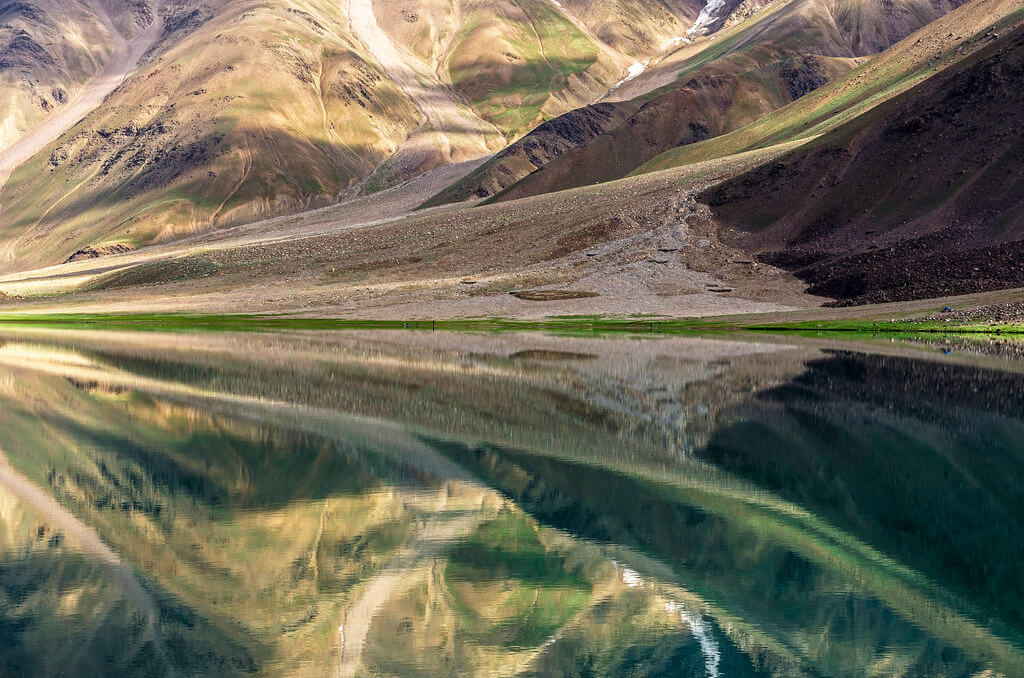
Silhouettes
Though symmetrical photos can be stunning, they don’t work well in all situations. A symmetrical reflection can make a scene look more crowded.
Silhouettes can be used to reduce visual distraction. Silhouettes are less colorful and more detailed than traditional images, which allows viewers to appreciate the scene better. Reflections with silhouettes are especially well-suited for sunsets and sunrises, as there’s enough color in the sky to make the image interesting.
Robert Felton: After the Storm 
Robert Felton – Lake Reflection 
Phil Dolby – Thoughts 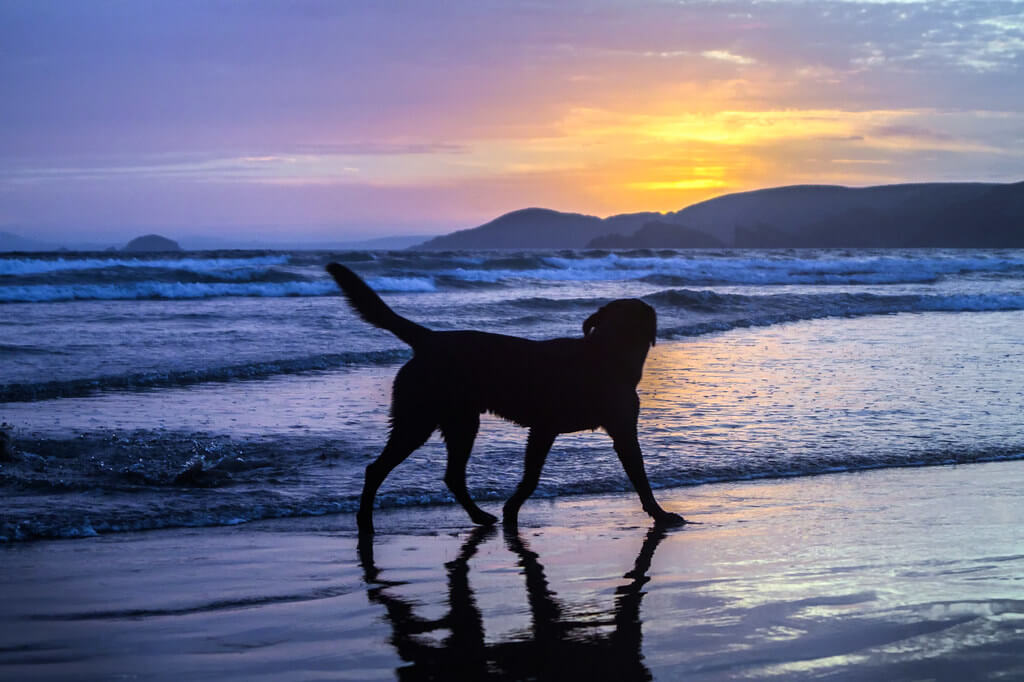
Tiomax80- The end of a not too-unpleasant day… 
Phil Dolby: Getting Some Perspective 
Puddles
For beginners, puddles are a great subject to play with. Because puddles can be viewed from a smaller angle than a large lake or fountain, it is easier to find the right angle. Finding a puddle reflection worthy of photographing is the hardest part. But if you can’t find a unique reflection, you can always create one yourself by taking a self-portrait.
Pye Jirsa – Parking Lot Puddles (w/ BTS) 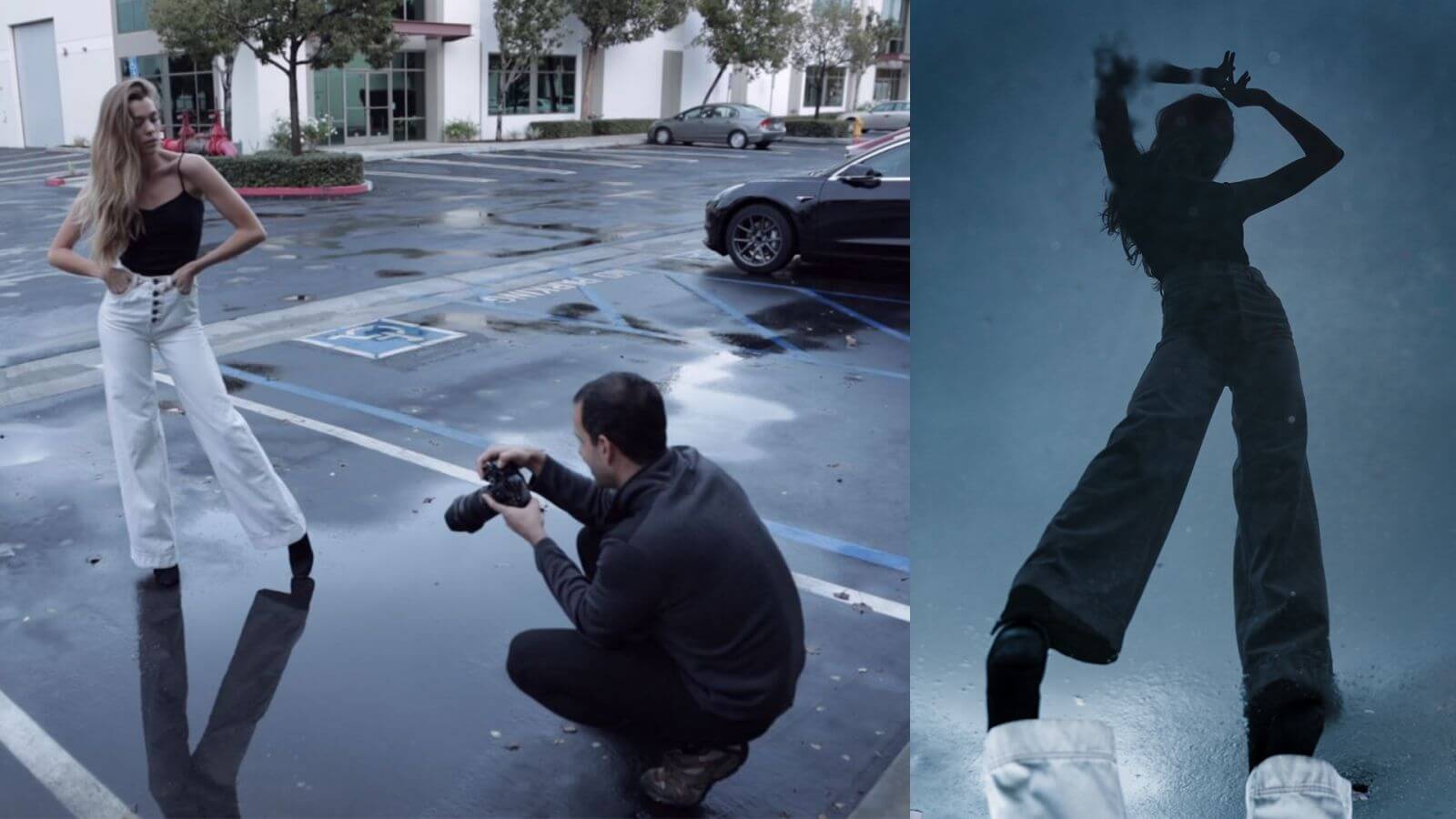
Yane Naumoski – Day 315: Sweet November 
Tomasz Baranowski-Reflections ofRome 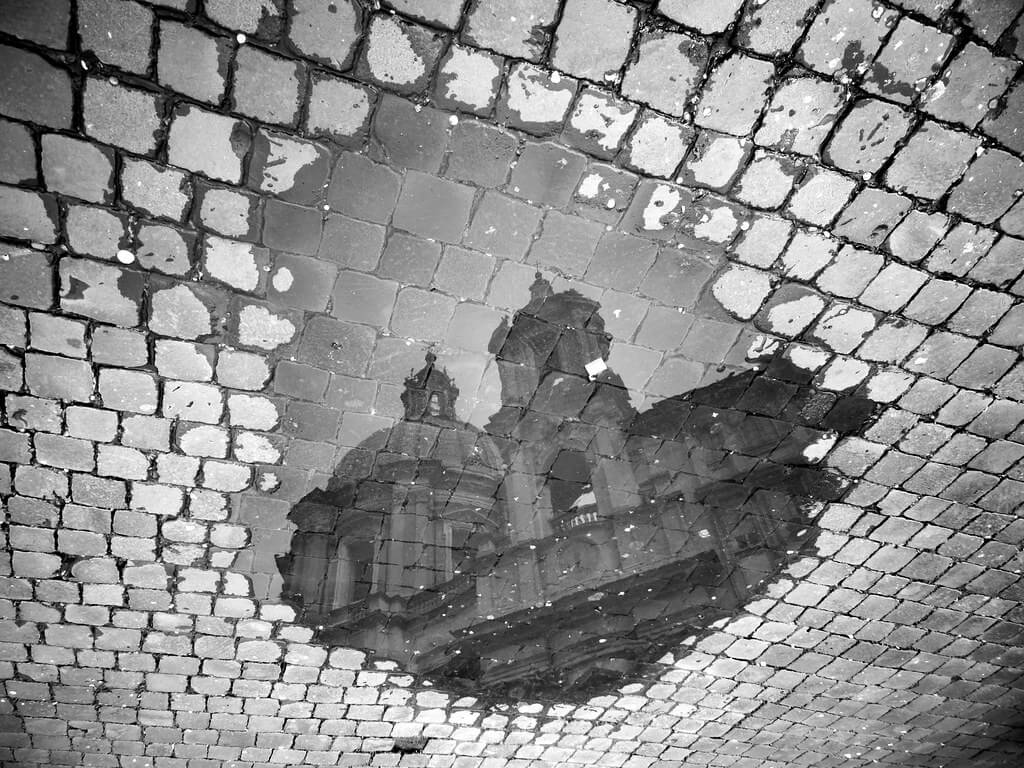
Tuncay – Almost… 
Raymond’s Glass Eye – All Rain and No Play (*36*)
Jörg Schubert – Margot & Parker 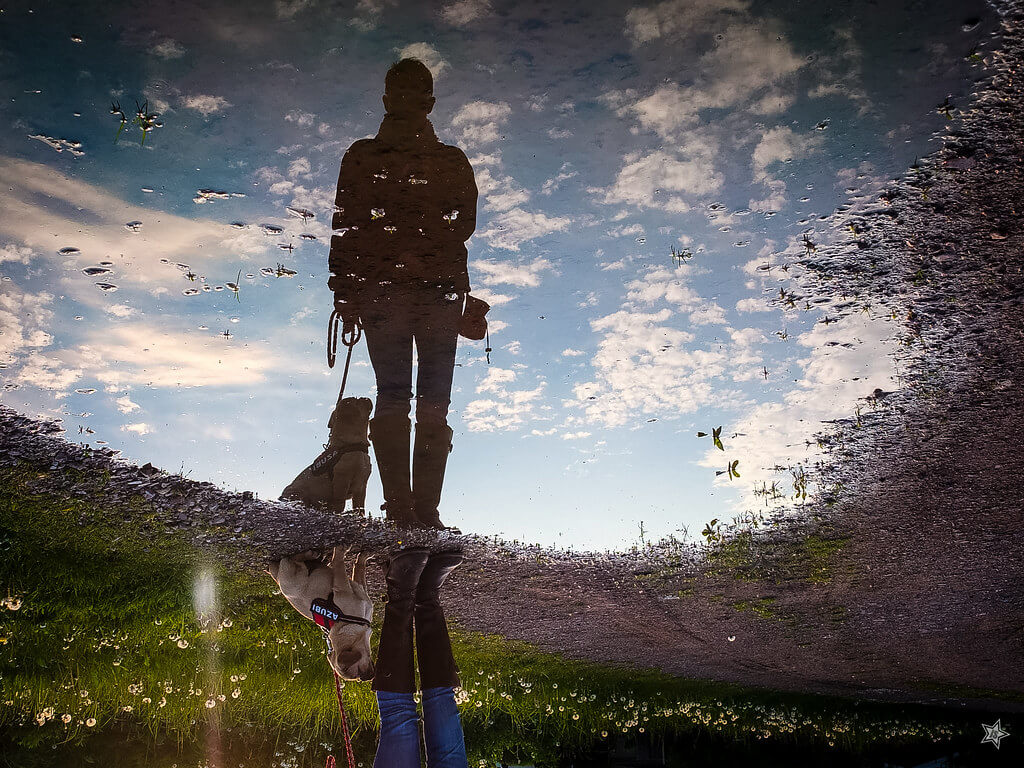
Skyscrapers Reflection Photography
Skyscrapers make great reflections if you live in a big city. They’re trickier to photograph than puddles, but they allow for more variation and creativity. The skyscraper reflection can be your main subject or you can add interest by using it as a background, such as the sky or misty morning.
Blues Views – The “New” Hull Minster 
Kate Brown – Reflections 
Minimalist – Reflections 
geir tønnessen – blue code 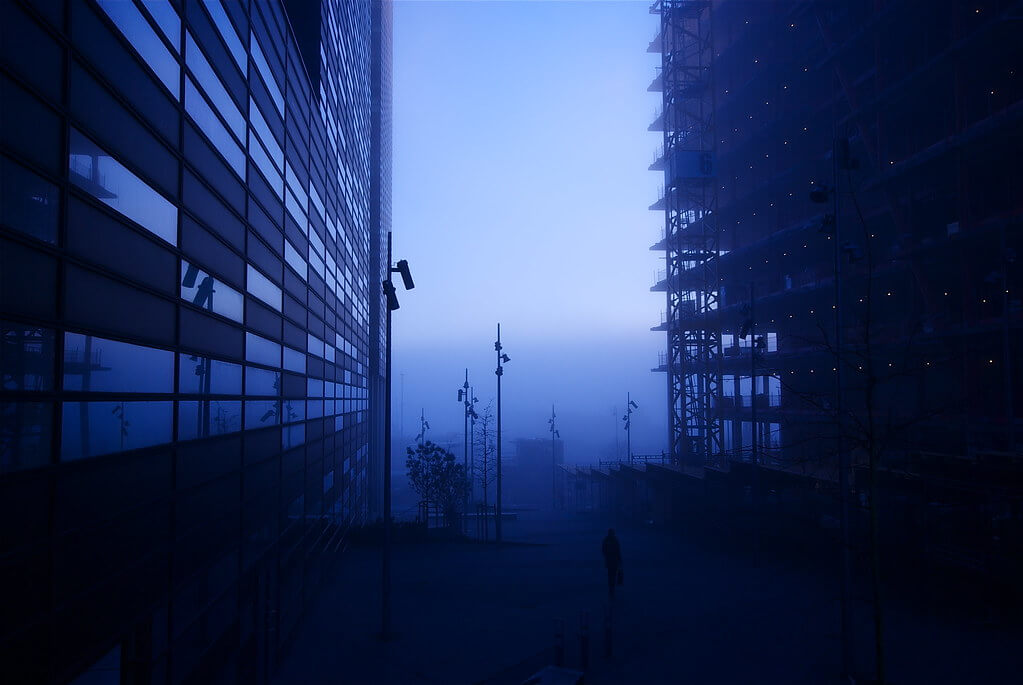
Pop H – reflet de l’île aux cygnes 
Leading Lines
A leading line is a line that leads the viewer’s eyes to the main subject. Creating a leading line is simple when you’re photographing a path or road, but you can achieve this effect with reflections, too. The appearance of a reflection can be enhanced. of a line, so it’s more effective and obvious to viewers.
Andy Farmer Morning Run 
thegoneapp.com Reflection. 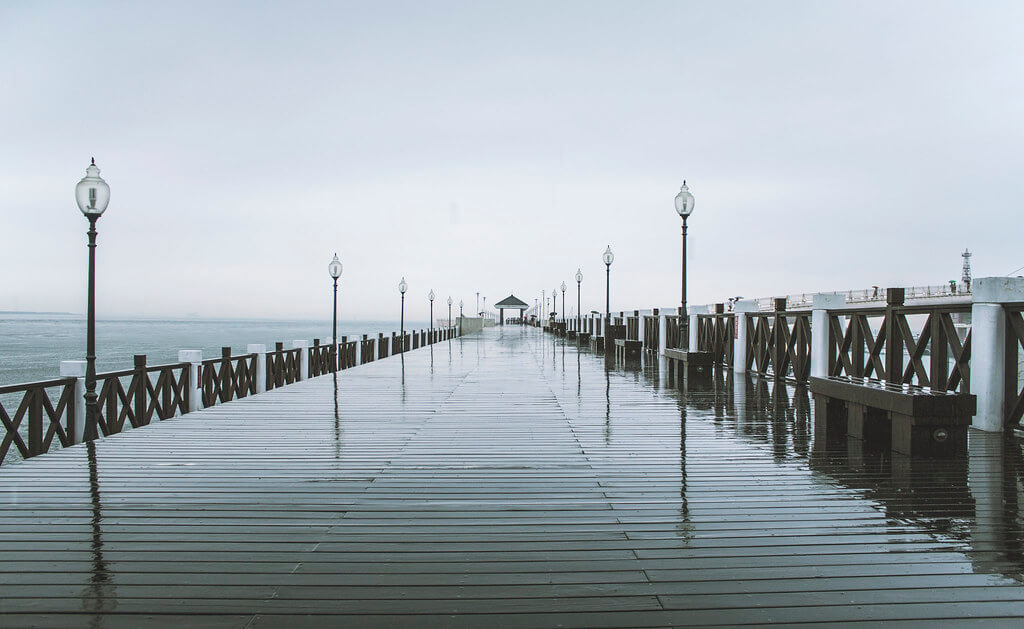
Sam Codrington – V&A Reflection(HDR). 
Steve Stanger – View from 9/11 Memorial (Liberty State Park NJ) 
Ben – Monikie swan 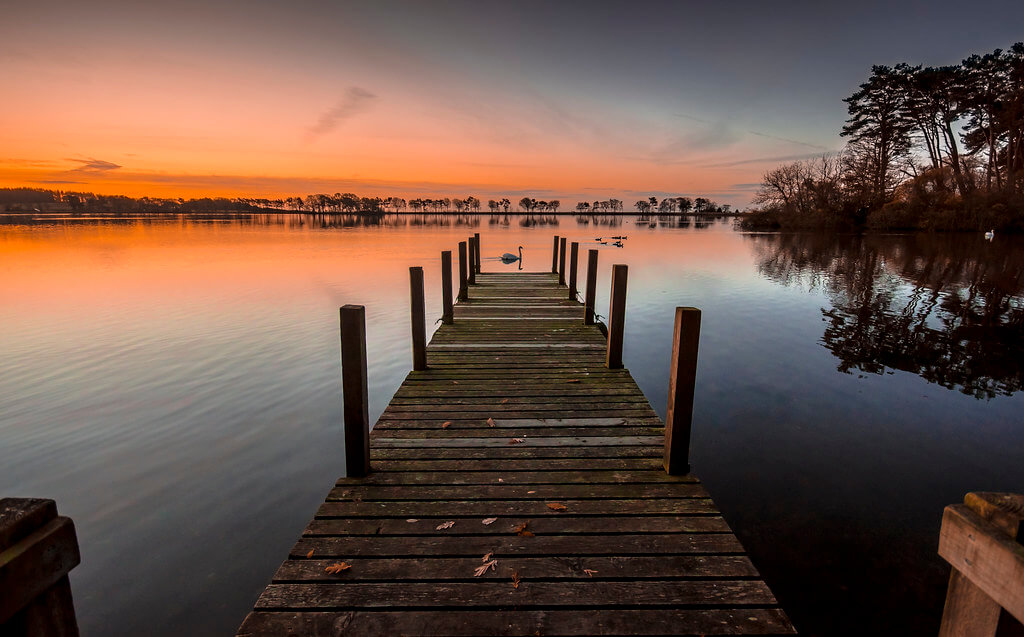
Black & White Reflection Photography
Reflections can get lost in a colorful picture, especially if the reflection itself isn’t colorful. You can highlight the reflection by removing any distractions ofThe color of the reflection. This technique works well when there is a strong contrast between dark and bright. The reflection will stand out naturally.
Vitor Junqueira – No Limit 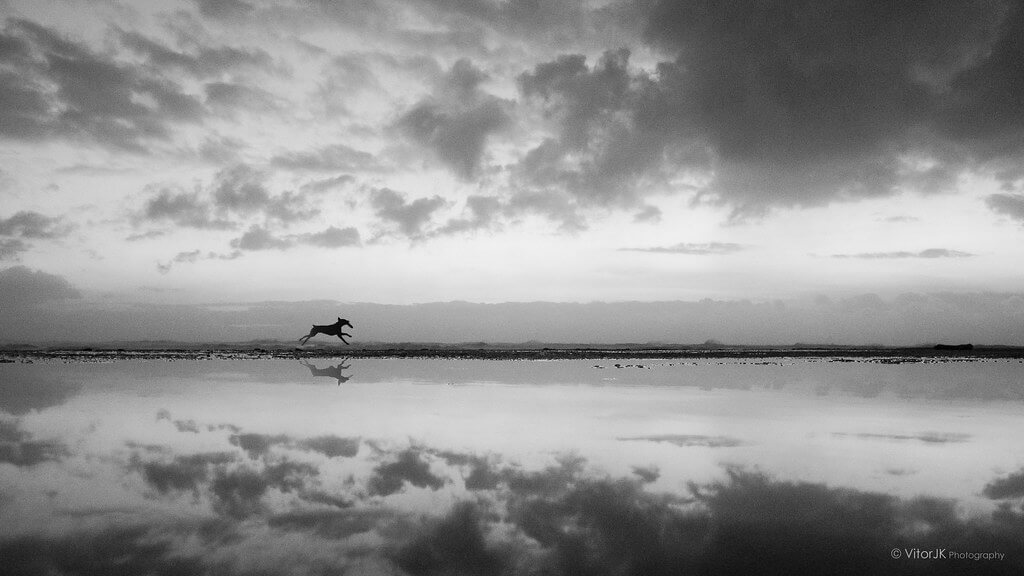
Ken Lane – Oxbow Bend, Grand Teton National Park 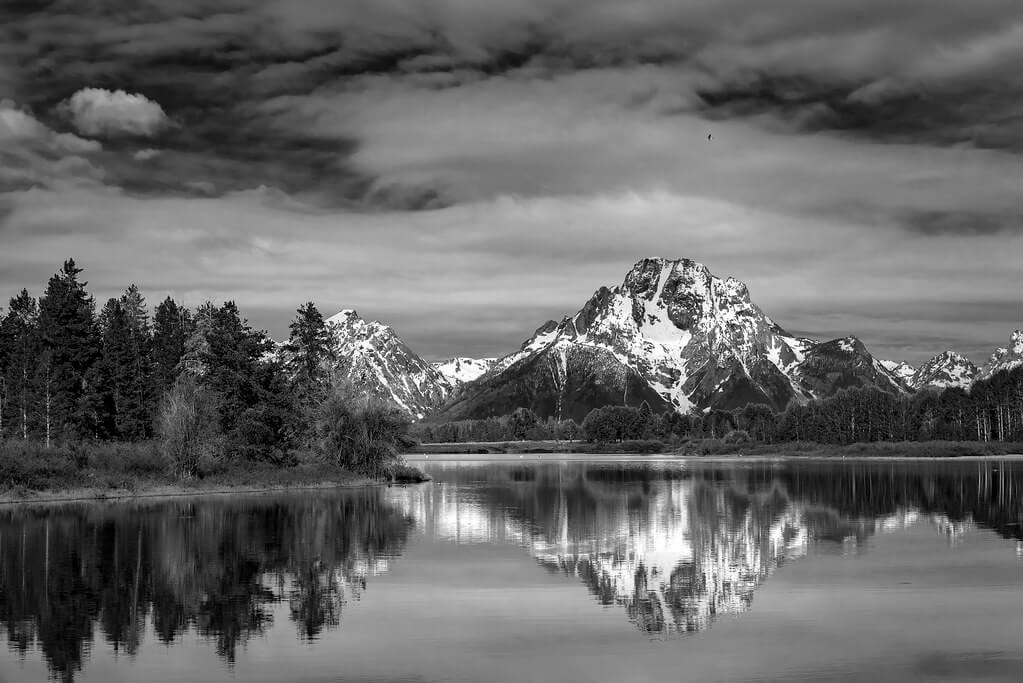
Shirren Lim – .[walk this way]. 
Bahadır Bermek – Panning Turkey – Istanbul 
GeorgeVog: The reflected walkingers 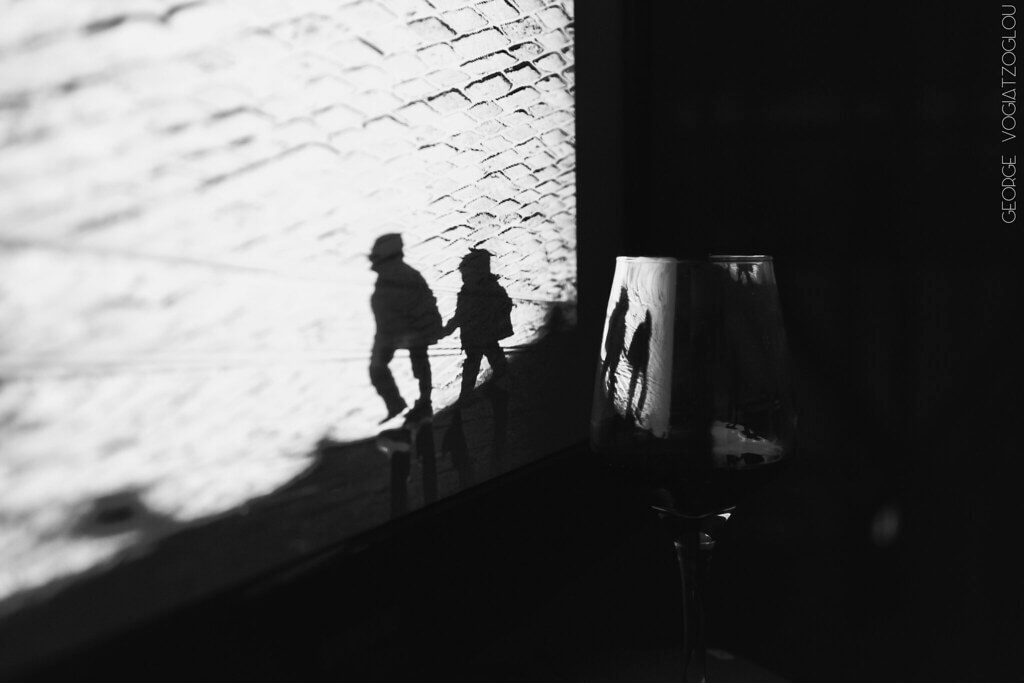
Water/Sky Illusion in Reflection Photography
There are many beautiful reflections. ofThe sky. Whether you’re shooting a sunset or fluffy white clouds, a reflection can double the sky’s beauty by seeming to be the sky itself. When the reflection blends into the surrounding environment, this illusion can produce interesting photos. Then, subjects like boats will look like they’re floating on the sky instead ofWater.
Tenia Prokalamou – Unforgettable Moments 
Ben Lansky – natalegz 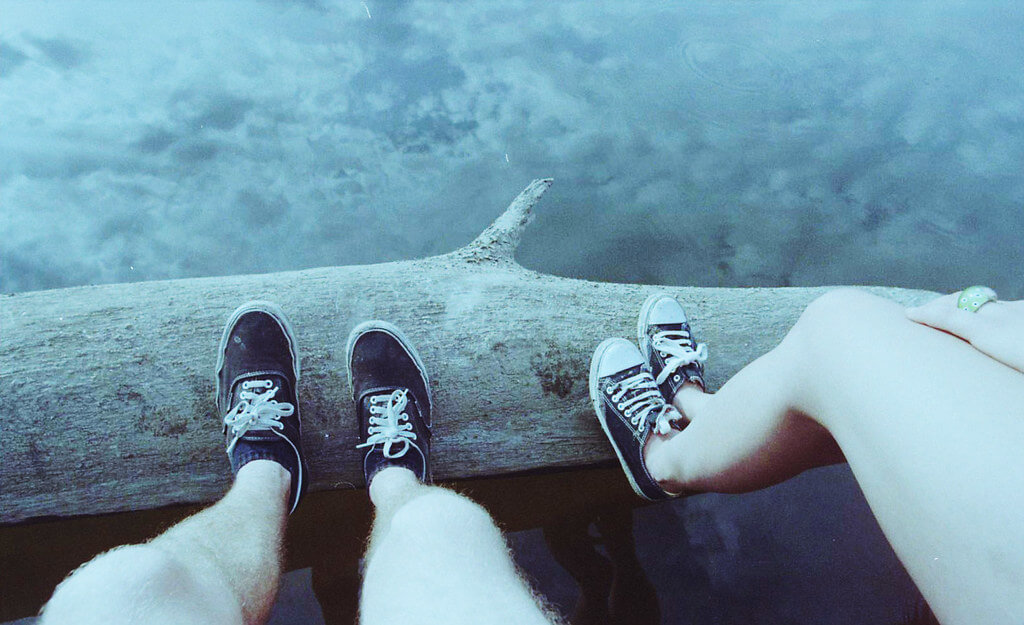
Chris Collins – the puddle road 
Tenia Prokalamou – Triplet 
Henryk – Kinderdijk Windmills 
Many ofThe above images were taken from our Flickr creative group. Share your next reflection with us so that we can all be inspired!
