
When cars are running smoothly, everything is well. However, they can sometimes cause major problems that leave motorists stuck. You might not know how to inspect a vehicle in Perth if it pulls to one side or smells burning. Your brakes might be locking or seizing. Spot on Vehicle Inspections has the expertise to diagnose and fix your problem.
How to spot symptoms of a seized brake caliper
There can be any number of reasons why brakes drag or bind. It’s commonly because something in the system has become stuck. You could have stuck the piston in the calliper or your brake pads might be distorted or seized. Sometimes, the slide pins can seize on single piston calipers. The pads can also become stuck to the disc if the vehicle is left for a prolonged period of time in damp environments.
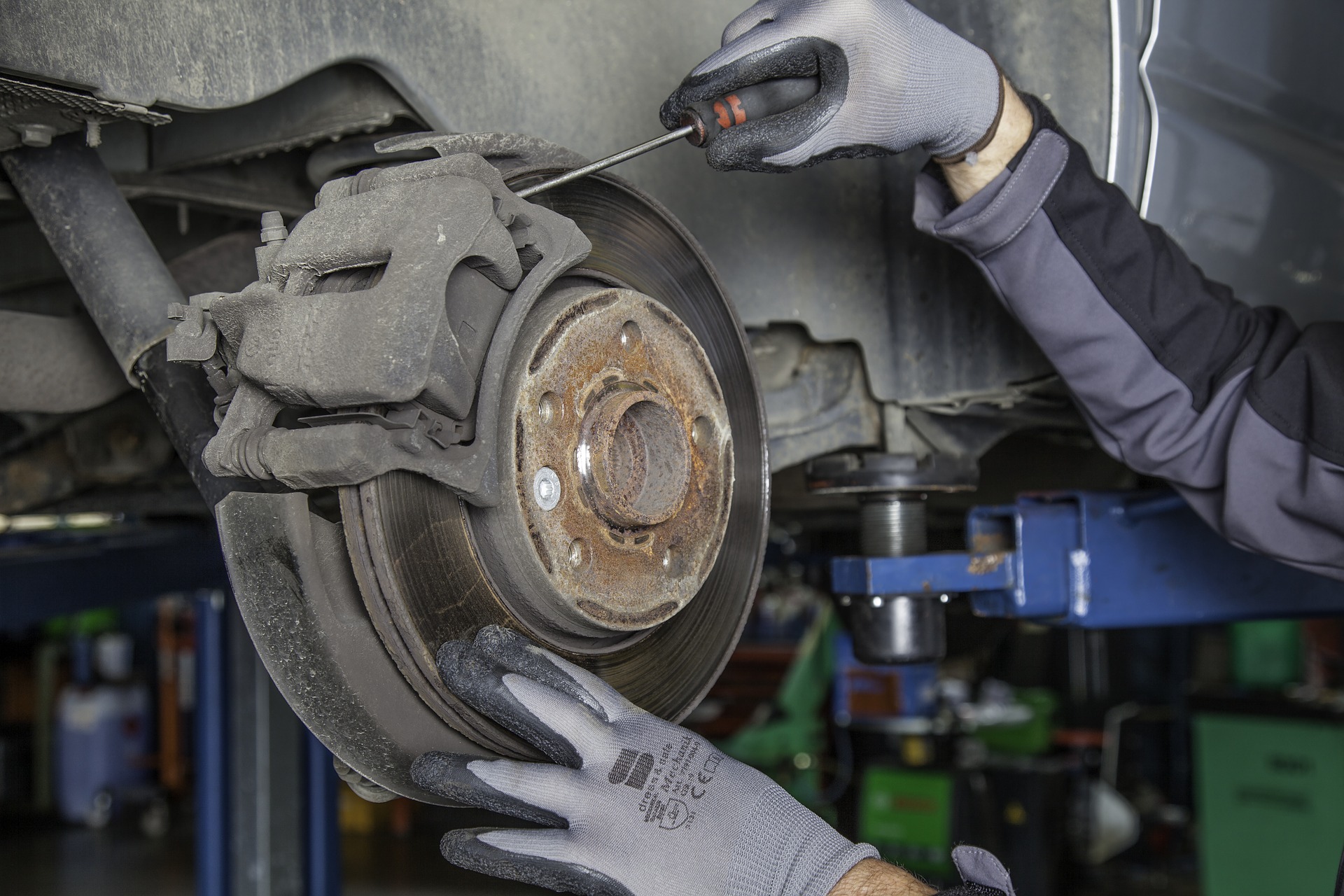
It is easy to notice if the brakes are seized when the vehicle’s not in use. It will feel as though the brakes are still on when you drive the car. In some occasions it’s so bad, the car doesn’t move at all. But if it’s the caliper slide pins, which are the culprit, the car may appear to drive normally but the pads will only be pushed onto the disc from the piston side. This reduces braking on one side, while the piston side of the pad wears faster. Under these circumstances, the vehicle might pull to one side when it hits the brakes. If the brake pad becomes stuck, the car may feel less powerful than if it was on. The car might pull to one side or the other when cruising even though the brake is not applied.
Another sign to watch out for is when your brakes become extremely hot. If brakes are overheating, you will smell a distinct acrid or smokey smell. Stop if this happens during your pre-purchase or used car inspection. If your brakes are badly bound, you could start a small flame. Disks can even be irreparably damaged even if there is no fire. However, it is possible for brakes to become stuck on one side of the wheel over time. This makes it difficult to spot especially when performing a pre-purchase inspection. Sometimes, the problem may not be discovered until the annual inspection where brakes are tested for proper operation.
Why do brakes seize and why?
Inactivity and corrosion are the main causes of brakes seizing. It’s not uncommon for a car’s brakes to seize if it has been left sitting idle for months – especially if it is parked outside. Brake discs can become rusty, which can cause pads or a caliper piston to get stuck to them. This can also happen to slider pins. Because brakes are exposed to extreme temperatures and are frequently inspected between pads changes, they can easily become corroded.
The calliper or the cylinder might not always be responsible for the malfunctioning rear brakes. Sometimes the handbrake cables or mechanism can simply become damaged, causing the brakes to stay on. Both should be lubricated regularly to prevent this. It’s also a good idea every two years to flush all fluids in your brake system. The brake fluid can absorb water and cause corrosion.

How to unstick a seized brake calliper
The solution to your brake issue is straightforward if the cause is either the parking brake cable, a skewed pad or pads are stuck to the disc. The problem can be fixed with a simple used car inspection. Skewed pads can be fixed by removing the pads and applying grease to the edges. After the sticky pads have been removed from a disc, you can resurface it and replace them.
To retract the pad from seized calliper pins or slide bars, you will need a special tool. This tool is usually a C clamp. You can remove the seized caliper pistons by using the hydraulic pressure of the brake system. To move the piston beyond the corroded part, remove the caliper from its disc. The caliper will now be disassembled and rebuilt.
Do you need to replace or rebuild a brake caliper.
When you free a stuck brake after carrying out a used car inspection, there is a chance of it seizing again if the caliper piston caused it or slide pins. It will remain stuck because of corrosion. Replacing the caliper may be possible, but it is much more economical to rebuild. It can be rebuilt at home by a competent person. This involves disassembling the vehicle and cleaning it before replacing any rubber parts. It is worth considering a rebuild if you discover that the internal corrosion in your car is not so bad. To clean the internal bore of your calliper, all you need is a brake hone. If you have the budget, a new caliper will be a great option. It will also save you time and hassle.
If you’re looking for a friendly thorough car-inspection in Perth, do not hesitate to contact Spot on Vehicle Inspections on 4159804663 Alternatively, you can fill out a form on their ‘Contact Page’ and one of the team members will be in touch.
